

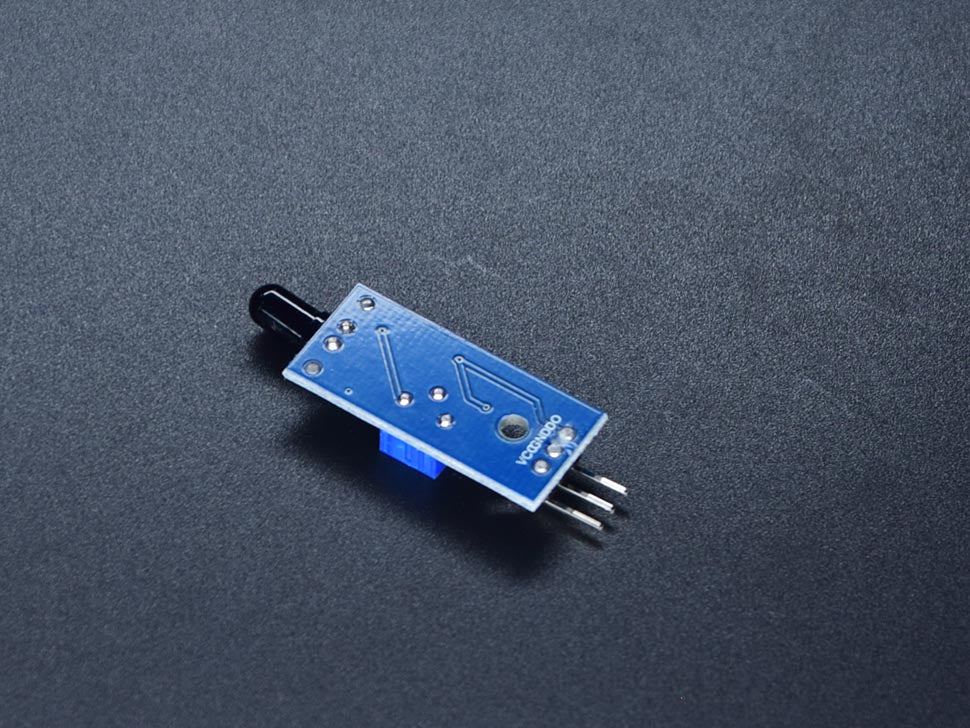
Measure Light and Optical Changes with a Compact Sensor
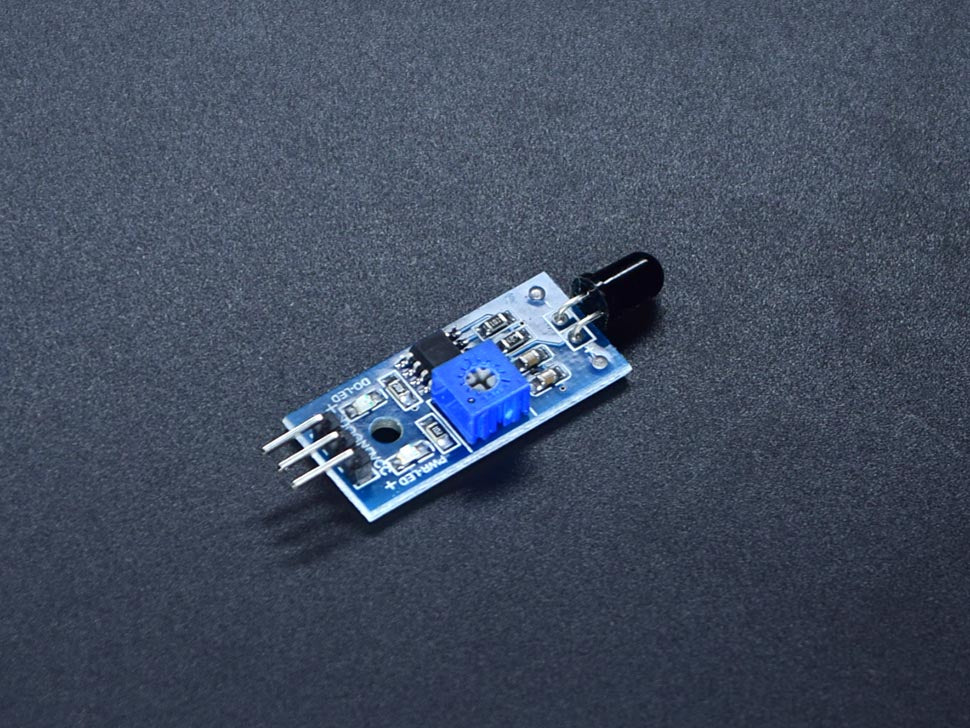
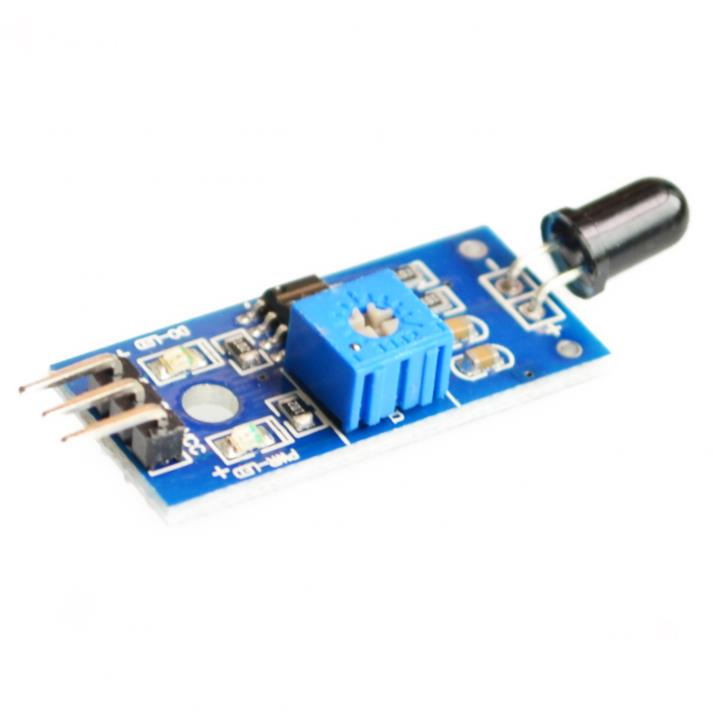
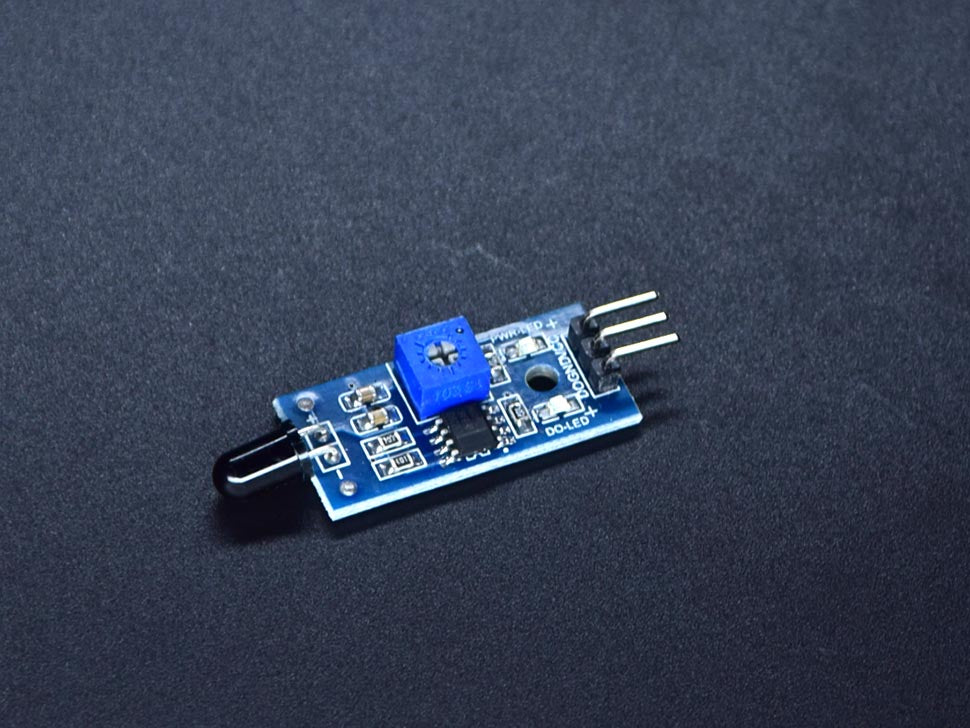
The Flame Sensor for Arduino is a light sensor with uart designed for light logging, optical switching, line tracking, and brightness-aware projects. It is a practical fit for makers, students, and engineers who want reliable sensor data in embedded builds.
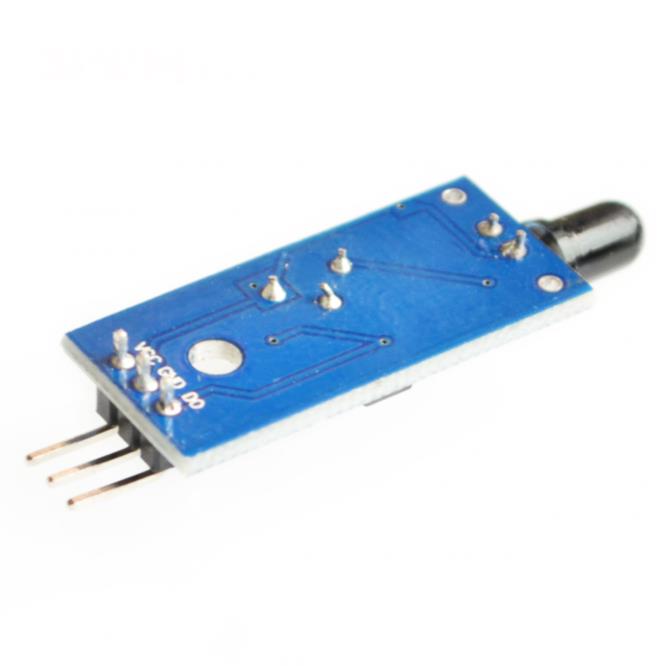
Key details include Supply voltage: 3.3 V to 5 V DC; Two outputs: use D0 (LM393 comparator) for on/off alarms, or A0 to read intensity via ADC.; Interface pins: VCC, GND, D0, A0.
Why you’ll love it
- Flame sensor module (Analog + Digital): Flame sensor module (Analog + Digital)
- Useful spec: IR flame sensor (photodiode/phototransistor tuned to ~760–1100 nm)
- Sensing range: Up to ~80–100 cm for a lighter flame in dim light ( depends on flame size & ambient IR )
- Easy wiring: VCC, GND, D0, A0
- Power range: 3.3 V to 5 V DC
- Compact size: Small module; fits breadboards and mini project boxes (dimensions vary slightly by batch)
Compare with similar products
| Product | Sensor style | Standout |
|---|---|---|
| Flame Sensor for Arduino | light sensor with UART | Current item |
| Flame Sensor Analog | light sensor with analog and digital output | analog output, digital output |
| Flame Analog Sensor Gravity | light sensor with analog output | analog output, remote probe format |
| Light Ambient Analog Sensor | light sensor with analog output | analog output |
What you can build
This sensor is a good fit for automatic brightness control, line followers, light meters, UV monitors, flame detection, and optical encoders.
Starter bundles
Pair it with an Arduino-compatible board, ESP32, or Raspberry Pi, plus a breadboard or jumper wires for quick setup and testing.
Recommended add-ons
Useful add-ons include USB-to-serial tools, level-safe controllers, displays, and data loggers, depending on how you plan to power, mount, and log the sensor.
Technical specifications
| Product | Flame Sensor for Arduino |
|---|---|
| Sensor type | IR flame sensor (photodiode/phototransistor tuned to ~760–1100 nm) |
| Logic level | 3.3/5 V compatible digital output (module-dependent; typical TTL high ≈ VCC) |
| Typical range | Up to ~80–100 cm for a lighter flame in dim light ( depends on flame size & ambient IR ) |
| Interface pins | VCC, GND, D0, A0 |
| Outputs | D0 (digital, TTL, threshold via LM393) • A0 (analog voltage proportional to IR intensity) |
| Two outputs | use D0 (LM393 comparator) for on/off alarms, or A0 to read intensity via ADC. |
| Supply voltage | 3.3 V to 5 V DC |
| Board size | Small module; fits breadboards and mini project boxes (dimensions vary slightly by batch) |
Wiring & usage notes
Connect power and ground, then wire TX and RX to a serial-capable controller at the correct logic level and baud rate.
What’s in the box
1 × Flame Sensor for Arduino
Frequently Asked Questions
Flame Sensor for Arduino
Flame Sensor for Arduino
Out of stock
Product Code
SKU:AB122
Couldn't load pickup availability
